Leva delivers structured, clinician-led care for people whose back pain interferes with daily function, work, and independence. Our service uses medical cannabis as part of a carefully managed treatment pathway, with dosing, response, and symptom patterns reviewed over time to support stable, long-term back pain control.
As the UK’s first CQC-registered online pain clinic, we provide secure digital access to clinical oversight and ongoing treatment review. Recognised by organisations including the Department for International Trade, the NHS Clinical Entrepreneur Programme, and the Royal College of Physicians, Leva is built to deliver consistent, measurable outcomes for people managing long-term back pain.
Join our clinically regulated service trusted by over 3,000 patients and begin your back pain medical cannabis treatment in the UK today!
How You Tackle Back Pain
Here are the key ways our back pain medical cannabis treatment in the UK helps you move beyond pain toward stability and balance.
Better meds
Break free from unhelpful and harmful medications to give you space.
Better mind
So you feel able to tackle the root of your pain from a place of control.
Better life
Improved sleep and mood help you regain confidence and step back into life
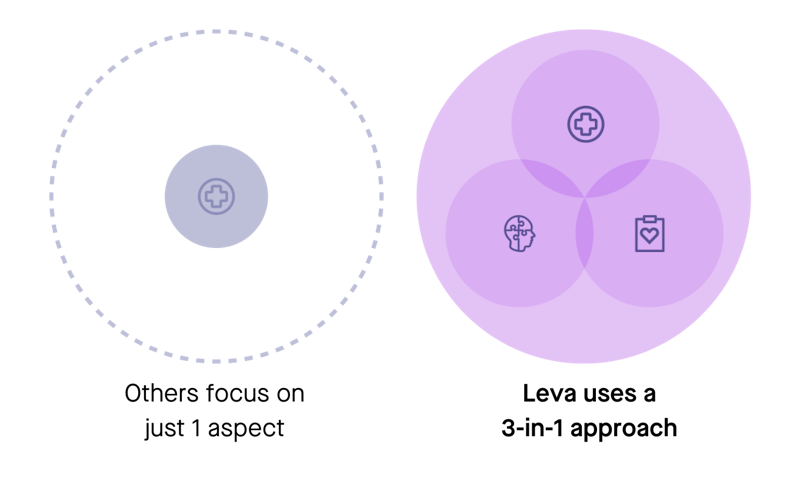
Our 3-In-1 Approach To Back Pain Relief

1-1 specialist support
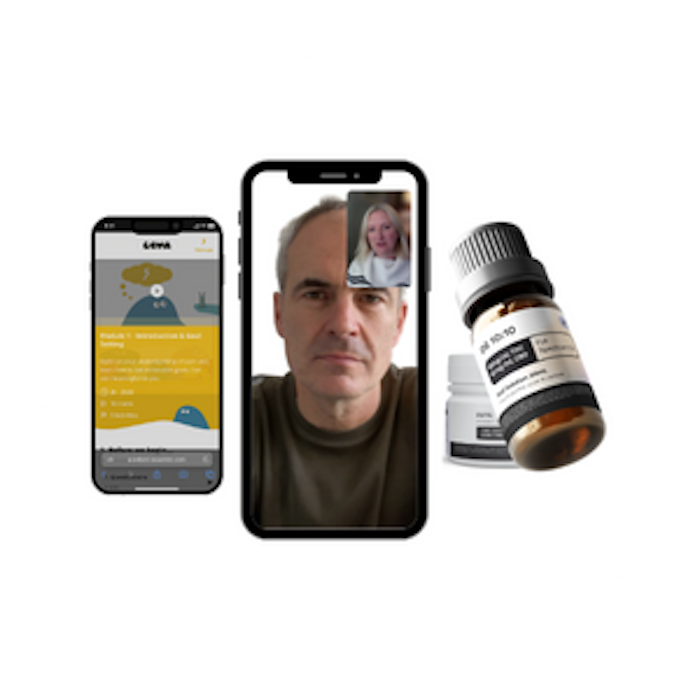
Receive dedicated one-to-one care from our back pain medical cannabis clinic in the UK, shaped by NHS leadership and NICE guideline contributors. Our integrated consultants, nurses, psychologists, and physios collaborate with your GP, offering fast access, virtual appointments, and truly joined-up care.

Tools for lasting change
We deliver clear, science-led pain education alongside personalised tracking and preventative flare-up tools. Guided by clinicians, our resources adapt to your progress, supporting behavioural change, functional improvement, and long-term pain control.

Cannabis-based medication
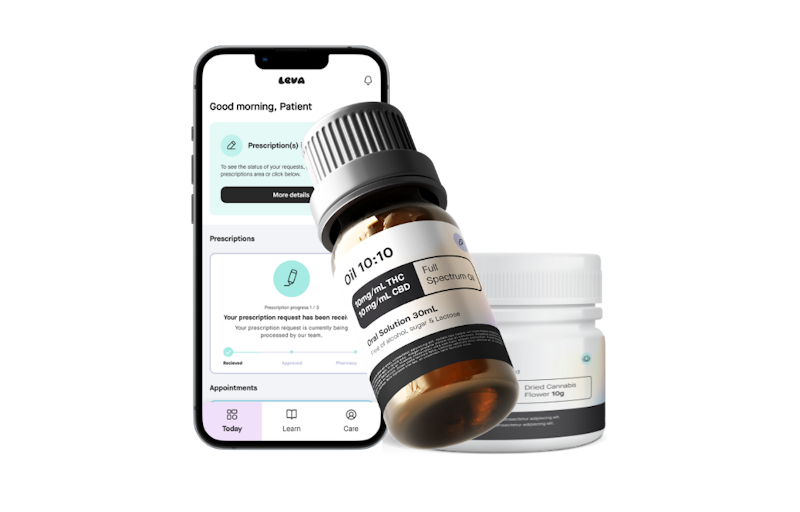
Our clinically prescribed back pain medical cannabis treatment in the UK provides a legal pain management option with evidence of reduced pain severity, lower opioid reliance, and improved mood outcomes. Prescriptions are patient-controlled via the Leva app, discreetly delivered, and can be adjusted or stopped at any time.
What Causes Back Pain?
Muscle strains: Muscle strains cause back pain when back muscles are stretched too far or torn. This leads to swelling and tightness, making the back feel sore, stiff, and painful during normal movements.
Postural-related disc degeneration: This occurs when prolonged mechanical stress leads to disc dehydration, overload of facet joints, damage to the annulus, increased nerve irritation, and more stiffness in the spine.
Injuries or accidents: Sudden external stresses lead to microfractures of the bones, muscle tears, or instability of the spine, which initiate acute inflammation and changes in neuromuscular patterns.
Obesity/excess body weight: Excess body weight can result in increased pressure on the spine, joints, and muscles.
Sedentary lifestyle: Not moving around much can make your core muscles weaker, your spine less flexible, your circulation worse, and make it harder and more uncomfortable to move.

Key Symptoms of Back Pain
Sharp or shooting pain: It starts in the lower back and travels to the hips, legs, or feet.
Muscle spasms or tightness: These are uncontrolled muscle contractions. They make movement difficult and can increase pain during activities.
Weakness in the lower extremities: Pain in legs and feet is often an indication that there is a failure of nervous system signals reaching the brain correctly.
Pain that gets worse when you move or rest: Pain that increases with activity and/or decreases after resting or sleeping is called reactive pain, thus making it worse rather than better over time.
Postural imbalance: If there is a noticeable change in your standing or sitting posture as the body adapts to avoid painful positions.
The burning sensation from spinal nerves: It may be due to a gradual irritation of the spinal nerves. With decreased excitability, spasms may be less likely to occur, resulting in more normal movements and a reduction of pain.

How does Medical Cannabis Work on it?
Endocannabinoid receptor modulation: Cannabinoids activate CB1 receptors in the central nervous system, interrupting pain signal transmission. This alters how the brain interprets spinal discomfort and reduces pain intensity.
Inflammatory pathway suppression: CBD limits immune-driven inflammation by inhibiting cytokine release around affected spinal tissues. Reducing swelling lowers pressure on pain-sensitive structures and improves mobility.
Neuromuscular relaxation effects: THC influences motor control circuits responsible for muscle tone. As excitability drops, involuntary spasms lessen. This leads to smoother movement and relief from discomfort.
Sleep-driven pain regulation: Pain and stress disrupt restorative sleep, worsening sensitization. Cannabis enhances sleep quality, reduces emotional amplification, which supports neural recovery, and diminishes amplified pain responses.
Improved blood flow to affected tissues: Certain cannabinoids promote vasodilation, increasing microcirculation around injured spinal muscles and joints. Enhanced blood flow improves oxygen delivery and accelerates metabolic waste removal.
Begin clinically guided back pain care with a trusted medical service that extends treatment support as a facial pain medical cannabis clinic in the UK, alongside recognised programmes for multiple sclerosis, fibromyalgia pain relief, and more!
Results
Data analysed by Imperial College London and Drug Science concluded...
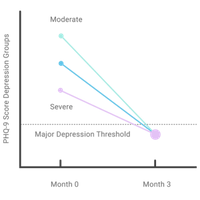
50% reduction in anxiety and depression †

97% of patients reported no side effects †

94% of patients reported pain severity improvement †
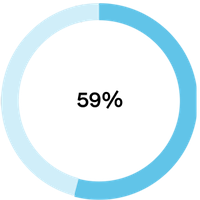
59% stopped opioid usage †

Leva or medical cannabis clinic?
NB in both instances, medication costs excluded.


FAQs About Back Pain Medical Cannabis Treatment



†
Data from proprietary sources, including collaboration with researchers from Imperial College and participation in research with Drug Science, indicate significant findings. BP (Pain Severity): 94% of patients reported an improvement in the severity of their pain. The percentage of chronic pain patients who reported any use of opioids decreased from 441 (55.1%) to 177 (22.1%), showing that over half (59.9%) of those previously using opioids had completely stopped. Additionally, more than 50% of patients with indications of major depression at initial assessment showed significant improvement after three months of treatment with medical cannabis and an online pain management program.