Persistent post-surgical pain can last months or years after surgery, often driven by nerve injury, inflammation, or altered pain processing. At Leva, we understand how significantly this impacts daily life, especially when standard treatments fall short. Hence, as the first CQC-registered online pain clinic, we may consider cannabis-based medicinal products in selected cases following specialist assessment. This allows you to get secure digital access to a specialist-led personalised assessment exploring how medical cannabis being explored for their potential role in pain signalling pathways involved in chronic pain conditions. We are recognised by the Department for International Trade, the NHS Clinical Entrepreneur Programme, and the Royal College of Physicians for our expertise in supporting specialist-led chronic pain care.
So, reach out to our specialists to explore a specialist assessment to discuss appropriate pain management options.
How You Tackle Chronic Post-Surgical Pain
The goal of care for chronic post-surgical pain at Leva is to help you move beyond persistent pain toward stability and function. Here’s how our treatment helps:
Better Meds
We carefully review your current treatment plan and aim to reduce reliance on ineffective or poorly tolerated medications, where appropriate, in line with evidence-based chronic pain guidance such as the NHS overview on long-term pain management.
Better Mind
Through specialist-led support, we help you better understand your pain mechanisms and explore evidence-informed pain management approaches, including whether cannabis-based medicinal products may be appropriate in selected cases via the endocannabinoid system, all aligned with NICE guidelines.
Better Life
Some patients report improvements in aspects of daily functioning during monitored treatment in returning to daily activities and routines.

Our 3-In-1 Approach To Chronic Post-Surgical Pain Relief

1-1 specialist support
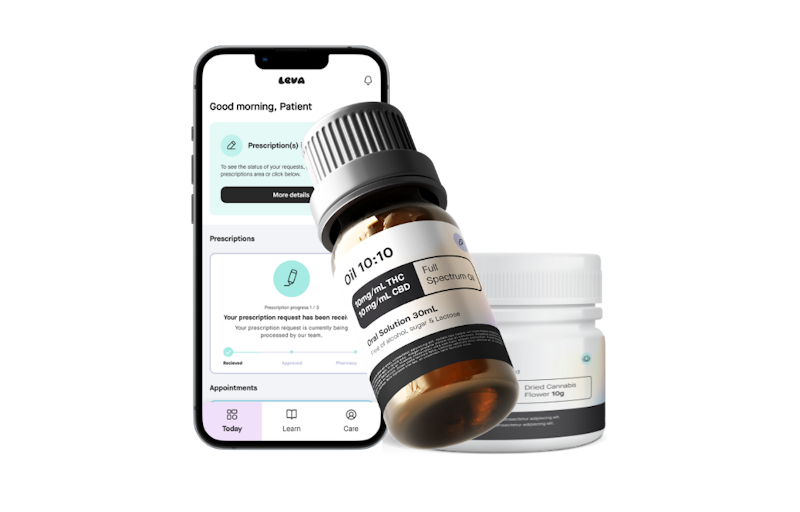
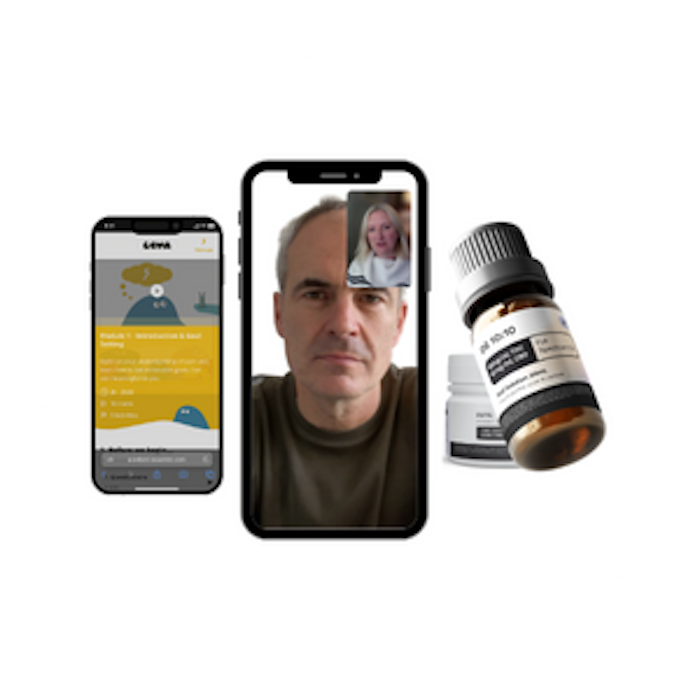
Structured one-to-one chronic post-surgical pain medical cannabis treatment in the UK, delivered by experienced clinicians within a coordinated model focused on safety. Inclusion of virtual appointments and GP coordination ensures fast, safe, and joined-up care.

Tools for lasting change
As a specialist pain clinic, we support patients with practical, evidence-based pain education, symptom tracking tools, and self-management techniques aligned with NICE principles to support long-term improvement.

Cannabis-based medication
Cannabis-based medicinal products may be considered following full clinical assessment. Care is continuously monitored and adjusted through our app when needed, with treatment delivered through a secure, regulated prescribing and delivery process.
Current NICE guidance does not recommend routine use of cannabis-based medicinal products for chronic pain, and prescribing is considered on an individual basis following specialist assessment.
What Causes Chronic Post-Surgical Pain?
Nerve Injury During Surgery (Neuropathic Mechanism): One of the strongest contributors to chronic post-surgical pain is direct or indirect nerve damage during surgical procedures, such as cutting, stretching, or compression of nerves. This can lead to abnormal pain signalling and neuropathic pain features (burning, shooting pain, allodynia).
Central Sensitisation (Amplified Pain Processing): After surgery, the nervous system can become hypersensitive, meaning pain pathways in the spinal cord and brain amplify normal signals. This “pain wind-up” effect is a key biological driver of long-term pain persistence.
Pre-Existing Pain Before Surgery: Patients who already had pain (either at the surgical site or elsewhere in the body) are more likely to develop chronic post-surgical pain. This suggests the nervous system may already be sensitised before surgery occurs. This is a particularly relevant symptom that is addressed during Ehlers-Danlos syndrome medical cannabis treatment in the UK.
Persistent Postoperative Inflammation: NICE NG193 framework states that chronic low-grade inflammation is a recognised contributor to persistent pain. In some patients, the inflammatory response fails to fully resolve, leading to ongoing release of cytokines and sensitisation of local pain receptors. This can maintain pain long after tissue healing appears complete.
Opioid-Induced Hyperalgesia: In some patients, especially people dealing with cancer, prolonged opioid use after surgery, can paradoxically increase pain sensitivity. In such cases, some patients may require additional specialist pain management support.

Key Symptoms of Chronic Post-Surgical Pain
Neuropathic and abnormal pain sensations: Includes burning, tingling, electric shock-like pain, as well as heightened sensitivity (hyperalgesia) or pain from light touch (allodynia) due to nerve irritation or sensitisation.
Localised and radiating pain patterns: Pain may persist at the surgical or scar site, worsen with movement or pressure, and sometimes spread beyond the original area due to nerve involvement.
Chronic persistence beyond healing: Pain continues for more than 3 months after surgery, lasting well beyond the expected tissue healing period.

How Cannabis-Based Medicines Are Being Studied in Chronic Pain Care
Modulation of the endocannabinoid system (ECS): As per research published by the British Medical Association (BMA), medical cannabis interacts with CB1 and CB2 receptors in the ECS, a system involved in regulating pain, inflammation, and nerve signalling. This interaction is being studied for its potential role in chronic pain signalling.
Reduction of pain signal transmission in the nervous system: Cannabinoids may reduce the release of neurotransmitters like glutamate and substance P, which are involved in amplifying pain signals in the spinal cord and brain.
Anti-inflammatory effects on peripheral tissues: The NICE reports in research that cannabinoids may interact with immune cells via CB2 receptors, potentially reducing inflammatory mediators that contribute to ongoing post-surgical pain.
Learn whether a specialist assessment may be appropriate for your condition. Speak to our specialist and discover a personalised cannabis treatment plan tailored to your needs.
Results
Data analysed by Imperial College London and Drug Science concluded...

50% reduction in anxiety and depression †

97% of patients reported no side effects †

94% of patients reported pain severity improvement †

59% stopped opioid usage †

Leva or medical cannabis clinic?
NB in both instances, medication costs excluded.


Frequently Asked Questions



†
Data from proprietary sources, including collaboration with researchers from Imperial College and participation in research with Drug Science, indicate significant findings. BP (Pain Severity): 94% of patients reported an improvement in the severity of their pain. The percentage of chronic pain patients who reported any use of opioids decreased from 441 (55.1%) to 177 (22.1%), showing that over half (59.9%) of those previously using opioids had completely stopped. Additionally, more than 50% of patients with indications of major depression at initial assessment showed significant improvement after three months of treatment with medical cannabis and an online pain management program.