At Leva, we provide medically supervised cannabis-based therapies for joint pain, offering an effective alternative when conventional treatments fall short. Our joint pain medical cannabis treatment in the UK targets the endocannabinoid system (ECS) to reduce inflammation, modulate pain signals, and improve joint mobility.
Combining prescription-grade medical cannabis with expert guidance and evidence-based strategies, we help patients regain control, reduce dependence on traditional painkillers, and support long-term joint health. We conduct thorough assessments to tailor therapies for each patient’s condition and lifestyle, monitor progress closely to maximize safety and efficacy, and provide ongoing education to empower patients in managing their joint health.
Addressing Joint Pain Beyond Short-Term Medication
Smarter treatment
Move away from ineffective long-term painkillers through clinically guided care that prioritises safer, evidence-based options tailored to your condition.
Stronger self-management
Gain practical tools to understand pain patterns, manage inflammation, improve joint movement, and reduce flare-ups through education and specialist support.
Better everyday outcomes
Improved sleep quality, physical function, and emotional resilience help you stay active, maintain independence, and return to the activities that matter.

A Comprehensive, Clinician-Led Approach to Joint Pain
Our clinically guided programme is designed to help you move away from ineffective long-term painkillers, safely explore cannabis-based medication where appropriate, and build sustainable self-management strategies for ongoing joint pain relief.

1-1 support
Your dedicated team of pain specialists
Receive personalised care from an experienced team of pain clinicians who regularly treat complex and persistent joint conditions. Our specialists are trusted by both patients and medical peers for their compassionate, evidence-led approach and ongoing clinical oversight throughout your treatment.

Tools for lasting change
Apply modern pain science in everyday life
Follow our structured pain training programme at your own pace, designed to help you understand pain mechanisms, reduce flare-ups, and improve physical function. You’ll also have access to clinician-led online community sessions, allowing you to learn alongside peers while staying supported by experts.

Cannabis-based medication
An alternative option when additional support is needed
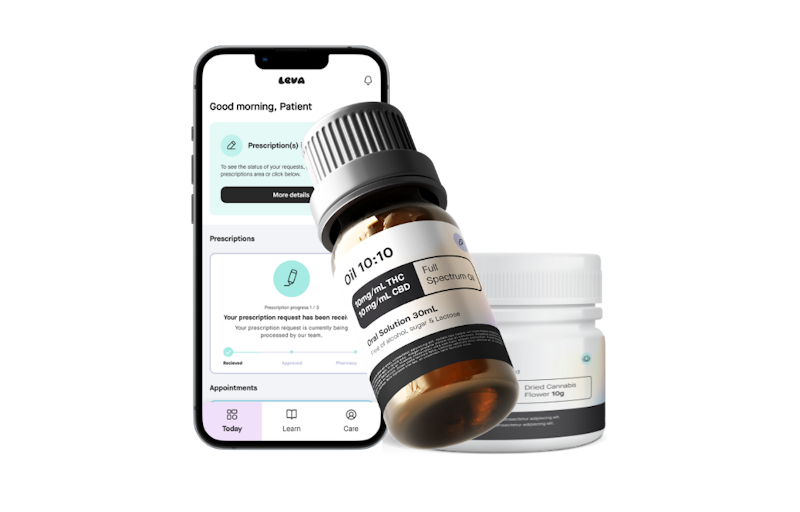
For patients who require extra pain control, cannabis-based medication is prescribed as a regulated and closely monitored alternative to traditional painkillers. Treatment is delivered under the attentive care of your pain team, with prescriptions typically provided in oil form as part of a wider, personalised pain management plan.
What Causes Joint Pain?
Osteoarthritis: Osteoarthritis is a degenerative joint disease where cartilage wears down over time, leading to stiffness, swelling, and discomfort. It commonly affects knees, hips, hands, and spine, especially in older adults or those with previous joint injuries such as fractures, dislocations, or ligament tears.
Rheumatoid arthritis: An autoimmune disorder, rheumatoid arthritis, occurs when the immune system attacks joint tissues. This leads to inflammation, pain, and limited mobility, often impacting multiple joints symmetrically, including wrists, fingers, and knees.
Gout: Caused by uric acid crystal buildup, gout triggers sudden, intense joint pain. The big toe is a common target, with affected joints displaying swelling, redness, and extreme tenderness during flare-ups.
Bursitis: Inflammation of bursae, the small fluid-filled sacs that cushion joints, leads to localized pain and sensitivity. Shoulders, elbows, and hips are most commonly affected, particularly after repetitive movement or pressure.
Tendinitis: Repetitive movements or overuse can inflame tendons surrounding a joint, resulting in tendinitis. Pain often arises during activity and typically affects the shoulders, elbows, wrists, and knees.
Infection: Septic arthritis or joint infections can cause severe pain, swelling, redness, and fever. Prompt medical attention is required to prevent joint damage.
Lifestyle factors: Obesity, poor posture, repetitive strain, and lack of exercise can contribute to joint pain by increasing pressure on joints or weakening supportive muscles.
Other medical conditions: Conditions such as lupus, fibromyalgia, or Lyme disease can cause chronic joint pain, often accompanied by fatigue, inflammation, and other systemic symptoms.

Key Symptoms of Joint Pain
Joint pain often presents as persistent discomfort or soreness in one or more joints, which may worsen with movement or daily activities. Swelling and inflammation around the joint can occur, sometimes accompanied by warmth and redness, signaling underlying irritation.
Stiffness and reduced mobility are common, especially after periods of rest or in the morning, making it difficult to move the joint fully. Tenderness to touch or pressure on the joint can also indicate irritation or damage to the surrounding tissues.
Some patients experience joint instability or weakness, giving a sensation that the joint may give way or cannot support weight effectively. Clicking or popping sounds when moving the joint may occur, occasionally accompanied by pain.
Joint pain can lead to fatigue or general malaise, particularly when associated with inflammatory or autoimmune conditions. It may reduce overall functionality, making everyday tasks such as walking, lifting, or gripping more challenging.
Pain can intensify at night, disrupting sleep, and some individuals experience intermittent flare-ups, where pain, swelling, or inflammation suddenly increases, often triggered by activity or stress.

How does Medical Cannabis Work on it?
Medical cannabis helps manage joint pain by interacting with the body’s endocannabinoid system (ECS), a complex network of receptors and neurotransmitters that regulate pain, inflammation, and immune responses. Key compounds in cannabis, such as THC (tetrahydrocannabinol) and CBD (cannabidiol), bind to CB1 and CB2 receptors located in the nervous system and immune cells, which helps modulate pain signals and reduce inflammation in the joints.
CBD has potent anti-inflammatory effects, reducing the production of inflammatory molecules and oxidative stress, which can damage joint tissue over time. THC contributes to pain relief by affecting the brain and spinal cord pathways that transmit pain signals, helping to decrease the perception of pain.
Medical cannabis also has indirect benefits: it can improve sleep quality, reduce pain-related anxiety, and support overall well-being, which together help patients better manage chronic joint pain. When prescribed by trained clinicians, cannabis-based medicines, such as oils or capsules, allow precise dosing to maximise relief while minimising side effects.
We also provide sciatica pain medical cannabis treatment in the UK, delivered by our expert team at Leva to help you regain mobility and reduce pain. Book your consultation now and start your personalised care plan with Leva.
Results
Data analysed by Imperial College London and Drug Science concluded...

50% reduction in anxiety and depression †

97% of patients reported no side effects †

94% of patients reported pain severity improvement †

59% stopped opioid usage †


Leva or medical cannabis clinic?
NB in both instances, medication costs excluded.


FAQs About Joint Pain Medical Cannabis Treatment



†
Data from proprietary sources, including collaboration with researchers from Imperial College and participation in research with Drug Science, indicate significant findings. BP (Pain Severity): 94% of patients reported an improvement in the severity of their pain. The percentage of chronic pain patients who reported any use of opioids decreased from 441 (55.1%) to 177 (22.1%), showing that over half (59.9%) of those previously using opioids had completely stopped. Additionally, more than 50% of patients with indications of major depression at initial assessment showed significant improvement after three months of treatment with medical cannabis and an online pain management program.